Promethease Personalized DNA Report Made Simple and Better

Promethease Personalized DNA Report Made Simple and Better
Whether you’re interested in DNA testing simply out of curiosity or because you are concerned about your health, your DNA report should be easy to read, allowing you to extract key pieces of information.
After all, what good is your personalized genetic data if you are unable to interpret it? If you cannot understand the data presented to you, how can you take informed, positive action?
While Promethease offers detailed reports, analyzing your raw DNA data can be rather challenging considering their not-so-friendly interface and clear limitations. But there is a simpler, more efficient way to access DNA test results. If you would like to examine your raw DNA data in a way that is approachable and easy-to-understand, here’s what you need to know.
What Is DNA Testing?

It wasn’t until the 1940s that researchers realized DNA molecules were passed down from one generation to the next. DNA’s structure and function were then discovered in 1953, which continues to influence and advance key areas of health, forensic, and genealogical research.
It wasn’t until 2003 that the entire human genome was decoded, and since then, genetic research has become a key area of interest, especially across areas of study such as nutrigenomics. This is the field of study that focuses on how foods and supplements influence health outcomes.
Within a more clinical setting, genetic testing is often implemented in order to provide a more personalized approach, especially in terms of lifestyle variables. For example, if you display an inherited risk for heart disease, beginning a behavioral action plan could help curb your lifetime risk.
Today, direct-to-consumer DNA testing is quickly reaching new heights, allowing the general public to gain access to family genealogy and associated health risks. Currently, some of the leaders in this space include 23andMe, AncestryDNA, and FamilyTree.
Although a complex process, DNA testing revolves around deoxyribonucleic acid (DNA) in relation to your genetic code. Considering your genetic code is composed of around three billion nucleotide pairs, the key to DNA testing is knowing what to look for in terms of key genetic markers.
Once you submit a sample (which is typically a saliva collection), you generally need to wait around 3 to 5 weeks to obtain your results. Once you receive your report, it’s important to understand what the data actually means. While you can clearly see which variants are present, it can be challenging to understand what those variants mean in regard to your well-being — and how your day-to-day behaviors potentially impact these genetic variants.
Why Does DNA Testing Matter?
By testing your DNA, you gain greater insight in terms of your risk of various diseases, including Alzheimer’s, breast cancer, celiac disease, and other chronic conditions. In that sense, the information you receive will allow you to make more informed medical decisions. For example, just some of the information that DNA testing can provide includes:
- Specific health risks — Reports can offer insight regarding your risk of Parkinson’s, late-onset Alzheimer’s, hereditary thrombophilia, and more. In this case, you can actively intervene, particularly in regard to your diet, exercise, and supplement regimen.
- Carrier screening — Understanding genetic risk factors associated with your fetus can help minimize the risk that your child will inherit a disorder/disease.
- Wellness and traits — In some cases, key variants can impact specific traits, including your genetic weight. For example, your DNA could provide clues in relation to how your body gains weight and distributes fat. In turn, you could use this information to improve your current lifestyle and eating habits.
- Cellular aging — Genetic pathways associated with aging have been discovered, helping you understand the relationship between your genes, environment, and long-term health. This is often based on information relating to your telomeres, which influence cancer risk and the aging process.
How Are DNA Tests Conducted and What Does the Data Mean?
As discussed, DNA is the genetic code that governs the way in which our body biologically functions. Think of it almost as if it were a blueprint.
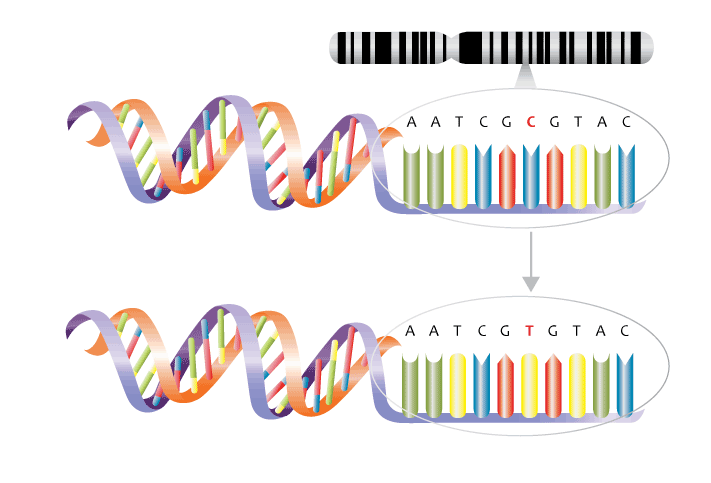
All humans share around 99.9 percent of DNA — the remaining 0.1 percent is what represents all the differences we see in terms of diversity and risk of disease. It’s these differences or “genetic variants” which actively influence the development of serious diseases and disorders — especially when considering the complex relationship between your genetics and lifestyle.
If you provide a sample of your DNA, most commonly in the form of saliva, a lab can analyze your genetic material in order to find variants present in your specific code. These variants offer clues in relation to your personal health, allowing you to gain insight into the complex interactions that occur between your current environment and genes.
Simply put, your DNA test results can act as a personalized tool, helping you intervene in a more proactive manner. For example, it is important to understand which genetic risk factors you carry and in turn, how lifestyle factors further influence those genetic variables.
This is where your Nutri-Therapy report comes into play, as it will help you better understand what you need to do with your data.
Your DNA Doesn’t Change, but Your Environment Does
Comparing Promethease and Nutri-Therapy™
While Promethease is a common system used when aiming to create a personal DNA report, it is overly complicated, often defeating the purpose. After uploading your raw data from a DNA testing company, such as 23andMe, you’ll receive a personalized report. However, the report itself can be quite tough to decipher.
More on How Nutri-Therapy™ Works
It’s Time to Take Back Control
For years, so many believed that they were simply at the mercy of their genes. However, we now understand otherwise. In many ways, your genes are technically at the mercy of your habits and lifestyle choices. That is why DNA testing is so valuable, increasing your awareness.
Ready to generate your free Nutri-Therapy™ report? Have questions? If so, please feel free to contact us today!