You have your Login to 23andMe— Now what?
For a number of years now, the general public has been able to access their ancestry through science — more specifically, DNA. By providing a genetic sample, research can tell you more about your family history and more recently, how your genes impact your overall health.
Although there are a number of ancestry service platforms, including Ancestry and Family Tree, 23andMe focuses on both family history and genetic health risks. Your 23andMe login can unlock a door of health discovery.
If you have recently received your results (or are interested in the process), this guide is for you. You can make more informed decisions regarding your nutritional needs and overall health — and it all starts with your genetic makeup.

What Does 23andMe Offer?
For those who are not aware, 23andMe is a personal genomics and biotechnology company. Although they offer ancestry data, they tend to take a more scientific approach in comparison to some of their competitors. Today, you can either find out more about your family history with the option to find out more about your health as well.
For example, by collecting and submitting your sample, your DNA can tell you where your ancestors lived 500+ years ago. Although your parents may be Danish, your fourth-great grandparents may have been Nigerian. This process involves inheritance tracing and the breakdown of your ancestry (across 150+ regions).
Now, in terms of potential genetic health risk factors, you can uncover some complex clues in regards to who you are — and what that means in regards to your future health. Taking this extra step opens A LOT of doors in regards to potentially health-altering opportunities.
Related: Tipping the Scales in Favor of a Long and Healthy Life
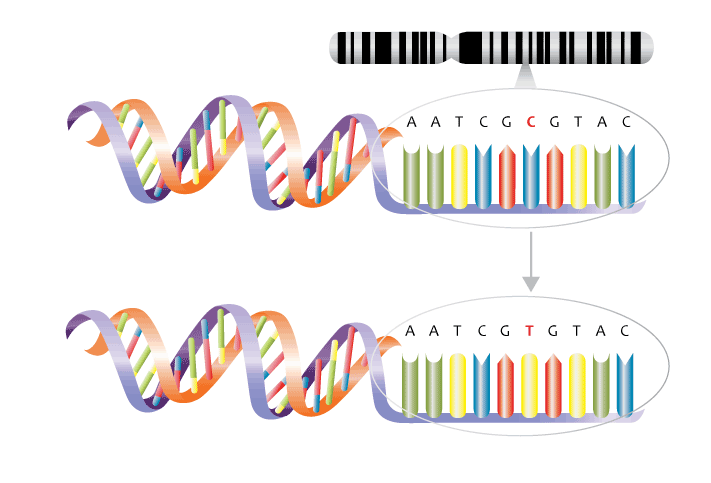
For example, there is one APOE gene variant that increases your risk of late-onset Alzheimer’s disease. Although carrying this variant does not guarantee that you will develop this neurodegenerative disease, you will face an increased risk (which may be further impacted based on your lifestyle choices).
In a recent 2018 study, published in JAMA Neurology, it was found that carriers of the APOE4 gene could potentially prevent cognitive decline based on enhanced lifestyle changes. This gene variant is present in approximately 10 to 15 percent of people and having just one copy can increase your risk by 2 to 3 times, while two copies can increase your risk by 12 times.
Based on evolving science and technology, you can see why this type of genetic information is so valuable. By understanding your risk, you can then take appropriate action. Whether that means transforming your diet, becoming more active, or beginning a quality supplement regimen, you can insight.
Of course, no genetic test available can provide you with a complete health report — there are simply far too many genetic variables. However, 23andMe is very clear on what their results mean and what they do not mean. In fact, compared to their competitors, they do a far superior job of explaining what each genetic variant means in regards to your health (and the potential future health of your offspring).

Login 23andMe – What Your Results Mean
- Your reports will tell you about genetic variants that are linked to an increased risk of specific health conditions. Your reports do NOT diagnose any condition, including cancer. However, they do provide beneficial insight.
- If you do carry a certain risk variant, that does not mean you will definitely develop a future health condition. Similarly, just because a genetic variant isn’t detected, does not mean that you are at risk of health complications. There are other variables involved — especially in regards to your day-to-day lifestyles and nutritional intake.
- Of these variables, your environment and lifestyle impact the development of most health conditions. In that sense, your reports will not be able to determine your true overall risk. Your reports also do not replace regular visits with a healthcare professional.

You Will Also Gain Access to Wellness Reports, Traits Reports, and Carrier Status Reports
Since you are a unique individual (based on your unique genetic code), your approach to wellness should be specialized in terms of your needs. Although there are general guidelines for all humans (i.e. a nutrient dense diet, quality sleep, etc.), understanding your individual risk factors can help you take more targeted action.
When you receive your 23andMe reports, one of those will include a 40+ “carrier status” report. Covering everything from cystic fibrosis to sickle cell anemia, understanding which genetic variants you carry will allow you to better protect not only your health but also the health of your current or future children.
For example, say both you and your partner are carriers of a genetic condition, there is a 25 percent chance that your child will develop that health condition. In terms of your overall wellness, your DNA can tell you whether or not you are lactose intolerant, how well you are able to flush alcohol, and even the impact of caffeine on your health.
LogIn 23andMe – What Should I Do Now?
Once you login to 23andMe, you will gain access to your personalized data. Based on that genetic data, you can then address certain recommendations. For example, based on your genetics, limiting the consumption of red meat could help you weigh up to 13 percent less.
The goal here is to take proactive action in terms of what could be.
As another example, say you have a family history of cancer. If you carry certain gene variants in the BRCA1/BRCA2 genes, this can significantly increase your risk of developing specific forms of cancers. These cancers include breast cancer in both men and women, ovarian cancer in women, and an increased risk of prostate cancer (which mainly impacts men).
In the 23andMe test, it includes information on three genetic variants in the BRCA1 and BRCA2 genes, which are most common in people of Ashkenazi Jewish descent. This information is highly relevant, as it can influence changes that may actually be life-altering.
In terms of the BRCA1 and BRCA2 risks:
- Women who carry a variant have a 45-85 percent chance of developing breast cancer by the age of 70. Similarly, women may have up to a 46 percent chance of developing ovarian cancer by the age of 70. This means that if you are in your 30s or 40s, you could potentially intervene, prompting a follow-up with your physician.
- The gene variants tested include the 185deIAG and 5382insC variants (in relation to the BRCA1 gene), as well as the 6174deIT variant (in relation to the BRCA2 gene). However, with more than 1,000 possible variants in these genes, which may increase your risk of cancer, 23andMe does not test for all possible variants. That is why factors such as family history, obesity, and lifestyle variables must be considered.
Take the information you receive in order to reduce your risk of certain diseases and conditions by addressing variables you CAN control. Having this type of knowledge empowers you to take more precise action in regards to your personal health. Such results can motivate you to adopt healthier habits.
In fact, a recent 2018 study found that access to personal genomic information can have long-term beneficial effects in regards to lifestyle variables. The Finnish GeneRISK study provided over 7,300 people with information on the risk of cardiovascular disease.
Addressing areas such as weight loss and smoking cessation, nearly 90 percent of participants adopted a healthier lifestyle. These individuals will be recalled for follow-up studies over the next 20 years. However, since they have managed to maintain key changes for 1.5 years, the researchers believe that positive changes will persist.

It’s Time to Revolutionize Your Approach to Healthy Living
In Summary