Auto-Immune Disorders
Curos Health supports those suffering from autoimmune diseases and disorders in New York, Florida, Texas and New Jersey.
What is an autoimmune disease?
Autoimmune diseases are conditions where contrary to its job of protecting your body, your own immune system attacks your body.
When your immune system is functioning correctly, it will protect you against all sorts of threats, such as bacteria and viruses. The primary response of the immune system in the face of such germs or foreign organisms is to identify and send out a group of cells to attack them.
An autoimmune disease means that the ‘good’ fighter cells your body releases have a miscoding and do not know how to differentiate between the invaders and healthy cells. This is what leads to so many downstream issues which people with autoimmune diseases suffer.
When your immune system has this disorder, the cells which are supposed to protect you often turn against your joints or skin by releasing proteins called autoantibodies which attack healthy cells.
While there are 75+ autoimmune diseases, they all operate under the same premise. The cells which are supposed to protect you are confused and are attacking you.
Why would your immune system attack your body?
Researchers do not yet fully understand why the immune system would attack itself. However, it is true that some people are more likely to have autoimmune diseases.
Overall, women are twice as likely to get an autoimmune disorder. Furthermore, it’s more likely that a woman would get an autoimmune disease during her prime childbearing years (15-44).
Additionally, conditions such as lupus are more likely to affect African-Americans and Hispanics. Like the higher risk profile for women, it is not completely understood why certain populations are at greater risk.
There are also genetic considerations for some autoimmune diseases. For instance, diseases such as multiple sclerosis and lupus tend to be hereditary. It’s not certain that all family members will have the condition, but the presence of it in a family line does create a greatly likelihood of its occurrence.
The increased presence of autoimmune diseases in modern times, has led scientist to begin exploring the possibility that environmental factors could be a culprit behind their rise. Such factors could be infections and environmental toxins (chemical exposure) are being considered.
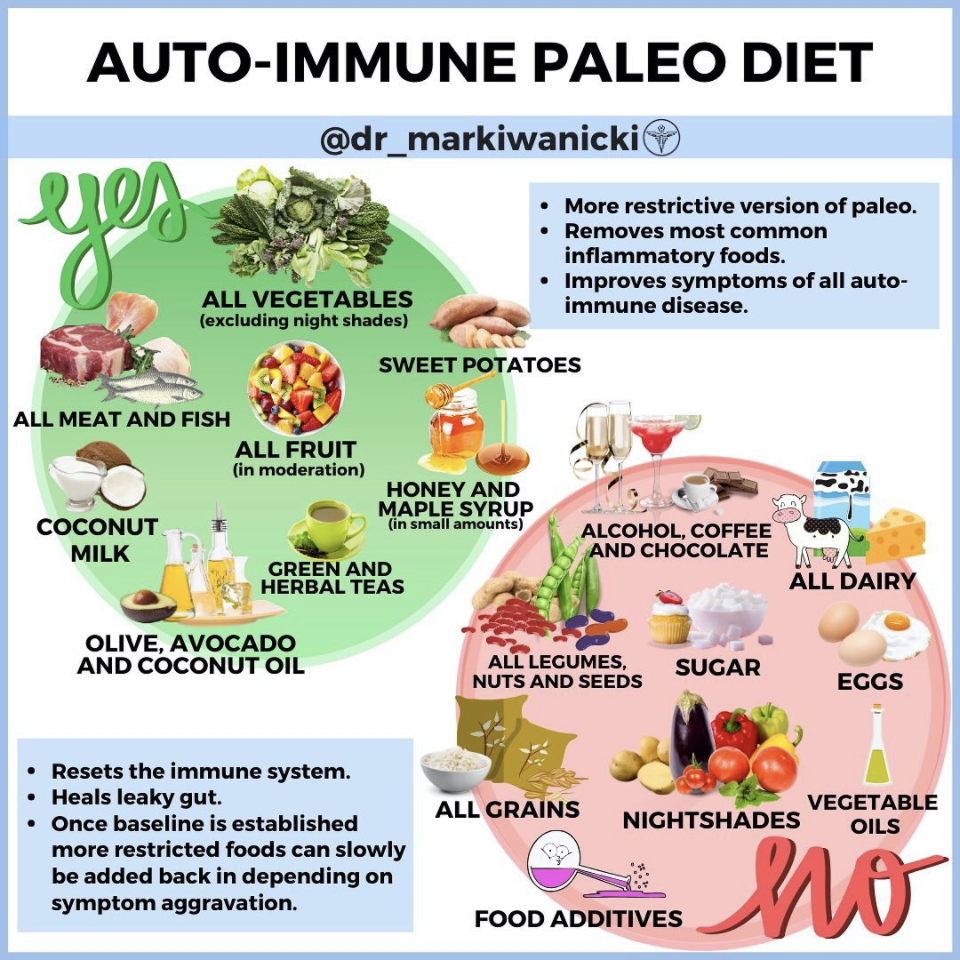
Additionally, diets which are high in fat, sugar and processed foods which can cause inflammation might also set off an immune response. While this is a logical assumption the ties between autoimmune diseases and diet are not fully established.
There is another proposed theory for the rise in autoimmune disorders which is centered around the use of vaccines and antiseptics. The thought is that as children we are exposed to fewer germs than our ancestors would have been, and thus the lack of exposure can cause our immune system to overreact to substances which otherwise would be harmless.
Related Auto-Immune Disorders Posts