You have your Login to Family Tree — Now what?

Understanding where you came from is important for so many reasons. After all, there is only one you. By learning your family history, you can discover who your ancestors were, where they lived, and even how your ancestry may impact your future health.
For the most part, understanding your family tree can provide you with a greater sense of belonging and purpose. As stated in a CNN report, by the eighth generation, our family tree likely has around 4,000 ancestors on it. That’s a lot of information that is waiting to be discussed.
Family Tree DNA (FTDNA) was the first company to offer direct-to-consumer DNA testing in regards to ancestry. Today, they continue to unravel each unique story. If you have recently logged into FamilyTreeDNA, it’s time to take a proactive approach. Dig deeper and never stop learning.

How Does Family Tree DNA Work?
The majority of people begin with the first stepping stone in regards to their family ancestry by using the “Family Finder” test. By providing a sample of your DNA, you can discover your ethnic and geographic origins and even find unknown relatives.
Although your grandparents may be from Europe, you may find that you are only 40 percent European, 25 percent New World, 12 percent African, followed by a combination of Middle Eastern, South Asian, and East Asian backgrounds. Just like that, you can discover so much about who you are based on your own personal genetic ancestry.
Everyone has a story, and now you can unlock yours through the power of genetic testing. That story can begin with your family history, which is certainly an exciting process. However, you can then take genetic testing to the next level, sourcing health-related information that may require your proactive attention.
How Family Tree DNA Compares
There are a number of companies on the market. However, some of the most comprehensive include Family Tree DNA, AncestryDNA, as well as 23andMe. Each is unique in terms of what they offer, so it depends on what you seek.
FTDNA is known to be the most comprehensive family matching tool in comparison to all other available services. In fact, it is the most popular company around the globe in regards to Y-DNA and mitochondrial DNA (mtDNA), as discussed below.
If you are simply interested in finding out where you come from and whether or not you have unknown relatives, the professional tools and data provided by FTDNA are highly useful and insightful. The extensive database offered by Family Tree DNA is based on strategic partnerships developed over the years, including new partnerships with iGENEA, African DNA, DNA Ancestry & Family Origin, and My Heritage.
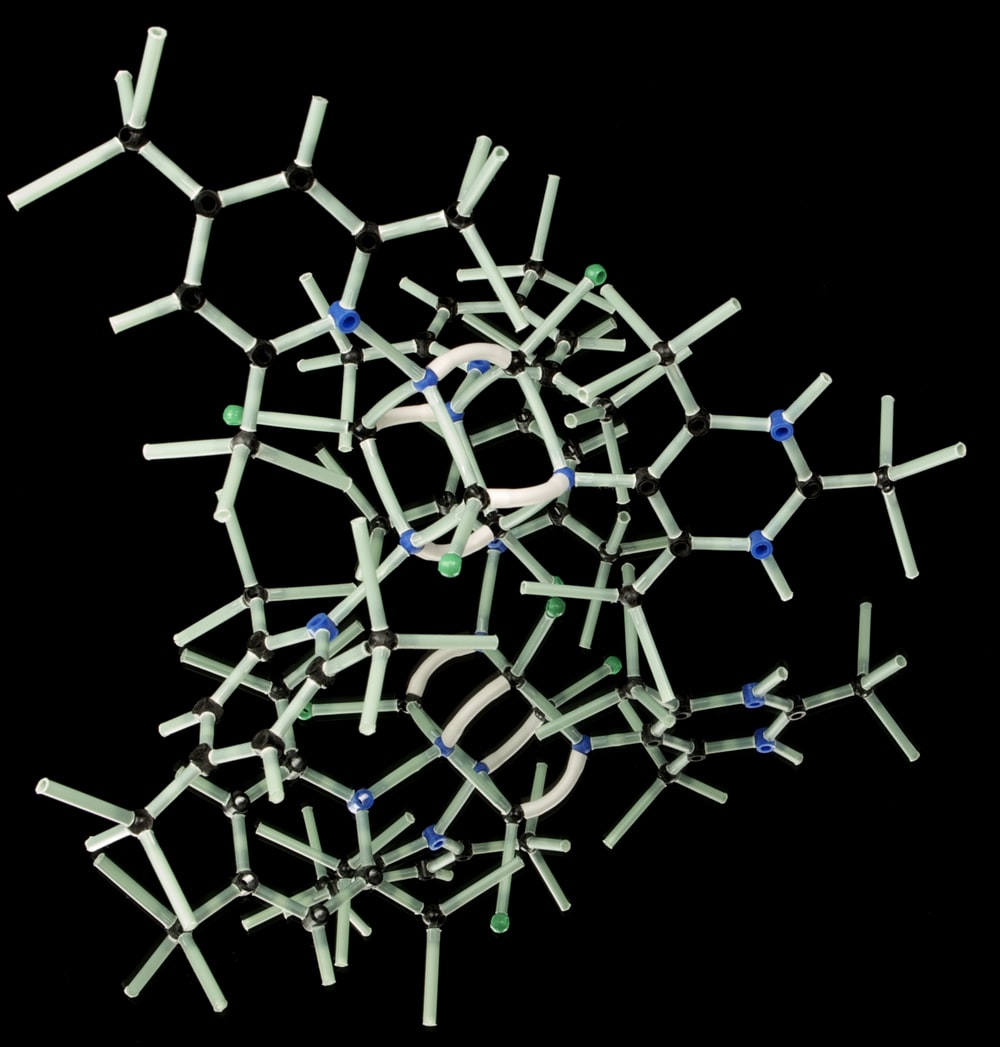
Autosomal DNA, Y-DNA, and mtDNA
With access to nearly one million records, you will be able to trace your grandparents up to five generations back. You also have the option to invest in paternal (Y-DNA) and maternal (mtDNA) testing. That way, you can trace your specific family lineage from your mother’s side or father’s side — something that is not possible through 23andMe or AncestryDNA.
To summarize:
- Autosomal DNA is the type of DNA that is passed down from all of your relatives. By investing in autosomal DNA testing, you can match relatives as distant as fifth cousins. It is important to note that unlike other companies, Family Tree DNA does not include any information regarding markers for mendelian medical issues.
- Y-DNA is the DNA found only in males, passed down from father to son. Offering the world’s largest Y-DNA database, Family Tree DNA can help you trace the history of your surname and your male ancestors’ ancient migration paths.
- mtDNA is the DNA that is passed on by a mother to her children (who can be either male or female). In this case, you would trace your direct maternal line, allowing you to trace your female ancestors’ ancient migration paths.
Although you can find out plenty of interesting information through autosomal DNA alone, Y-DNA and mtDNA will allow you to go back 25+ generations. Pricing depends on how many regions of mitochondrial DNA you trace, how many short tandem repeats (STRs) you examine, etc.
Once you obtain your results, you will gain access to similar details in regards to AncestryDNA. By providing a simple cheek swab, you can find out your ethnicity composition in addition to your ancestral history. If you are specifically interested in genealogy, then Family Tree DNA may provide you with everything you’re searching for.
However, if you want to take this process one step further, you can gain access to your family history and genetic health risks through 23andMe. Of course, discovering relatives can provide you greater insight into your family’s medical history. However, if you would like to better understand your individual genetic health risk factors, 23andMe is the best option.
The Link Between Children’s Self-Esteem and Knowing Their Family History
“People without the knowledge of their past history, origin and culture is like a tree without roots.” — Marcus Garvey
Humans are complex, social beings. That is why these DNA tests are so empowering. Understanding our own personal story is powerful and in many ways, rewarding. After all, knowing where you come from can help you solidify your true identity.
This has been found to be particularly true among children, as knowing who their ancestors are can have a profound effect on their own life and ability to manage stress. A 2010 study, published in the Journal of Family Life, found that children who know their family history showcase higher levels of emotional well-being. They are also able to better deal with stress.
As stated by the researchers, “Family stories provide a sense of identity through time, and allow children to understand who they are in the world.” Although more research is required, it is believed that knowing one’s family history can significantly impact a child’s emerging identity and well-being.

Overall, just some of the benefits associated with understanding your family history include:
- The ability to establish an authentic core identity, providing a stronger sense of who we are. This ties into our self-worth.
- A greater sense of human connection and belonging, supporting present and future relationships (based on the ancestors of your past).
- An increased feeling of compassion, as you will be able to better understand some of the core challenges faced by those throughout history. Once again, this can translate into more positive relationships — as well as the ability to build resilience.
I Login to FamilyTree — Now What?
The Future of Personalized Nutrition

- What type of diet would best suit your unique metabolism of key nutrients based on your genes? For example, is a low-fat diet ideal for you, or would a low-carb diet be better? Should you follow the Paleo diet based on your body type? These are the types of questions that nutrigenomics is able to answer.
- How your eating habits impact your overall health. Whether you have a sweet tooth or are prone to snacking, your genes can provide information about your unique eating behaviors.
- What your nutritional needs are. Do you need to adjust your intake of calcium? What about vitamin D and key B-vitamins? Once again, a genetic test can answer these questions.
Taking Your 23andMe Data to the Next Level

What You Do Today Will Impact Your Health Tomorrow