What Is Boron and What Are Its Health Benefits?
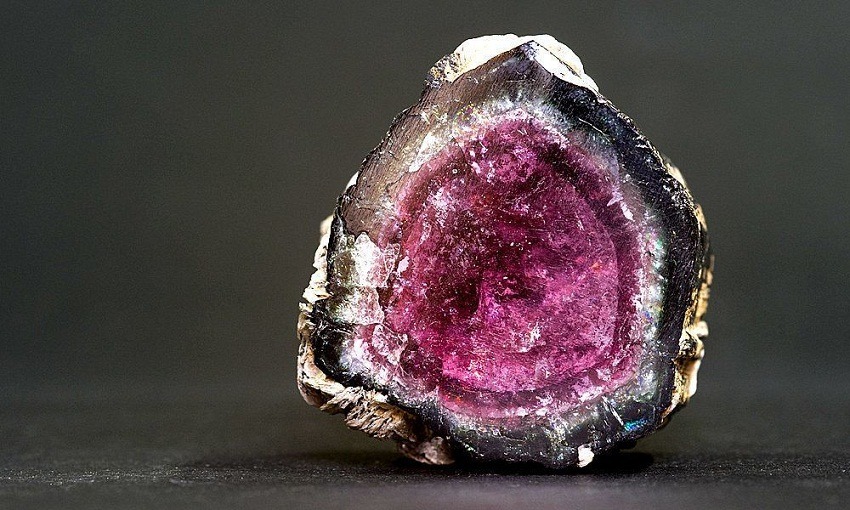
Boron is a chemical element found in soil, rocks and water. It’s essential for the growth of plants and for the health of many animals. Though this element is not a vitamin or an essential nutrient like iron, magnesium or calcium, boron might be essential for human health.
Researchers have substantial evidence that boron helps convert vitamin D into the active form the body can use, plays a role in calcium and magnesium metabolism, and may contribute to bone health. Researchers have known the health benefits of boron for decades, but its exact role in human metabolism still has secrets for researchers.
Let’s find out more about this element, its health benefits, where you can find it, and how much boron you need for your health.
What Is Boron?
Boron is a non-metallic chemical element found in the environment as borates. It is an inorganic substance that exists in rocks, soil and water and is part of plants.
Unlike vitamins and minerals that are essential nutrients for the body, boron is not an essential nutrient (not yet, or not officially, at least). So, you might not find it in all supplements. But this doesn’t mean boron is not important for your health.
The fact that it hasn’t received official recognition only means that researchers and government agencies don’t think they have enough data to make a dietary recommendation. But there’s an increasing body of evidence that boron might deserve the essential nutrient status because it plays an important role in our health.
Why don’t scientists study boron? They did study it, and they’re still studying it. Researchers have plenty of evidence that it plays an important role in our health, but they don’t have conclusive results yet. Specifically, researchers haven’t defined its biochemical function in humans.
Scientists have a hard time defining the role of boron in metabolism because its effect may not be direct, but indirect. Boron may influence other elements’ roles. Dietary boron affects the metabolism of steroid hormones, estrogen, as well as vitamin D, calcium and magnesium. It may also contribute to improving arthritis and brain function. Finally, some studies suggest boron may have a role in the structural integrity of the cell membrane.
Based on all the studies done, researchers have concluded that it is “a dynamic trace element affecting an exceptionally large number of seemingly unrelated biological functions.”
So we could say boron works behind the scene. It’s not the protagonist on stage, but this doesn’t mean its role isn’t important or even essential.
According to many researchers, as well as the World Health Organization, boron might be an essential micronutrient for humans. However, researchers need to do more work to clarify its role in human health before they determine a dietary daily requirement for boron.
A Short History of Boron and Health
You may know boron as one of the elements in some supplements, but it hasn’t always been so. This chemical element has a complex — and interesting — history.
Before 1960s: From Food Preservative to Toxic
From the beginning of the 19th century till the 1950s, many countries used boron as a food preservative. For some years after World War II, many people considered it toxic for health.
1960s: Evidence That It’s an Essential Nutrient
Beginning in the 1960s, studies suggested boron may be an essential nutrient for maintaining healthy bones and joints. Despite this, till the 1980s most researchers thought it was an essential element for plants, but not for animals or humans.
1980s–1990: Magic Cure for Disease
In the mid-80s, researchers published a study involving an experiment on humans that showed boron can improve bone health. Scientists started to recognize that in small quantities, this element is beneficial for our health. This study attracted the attention of media, which exaggerated the findings to make them newsworthy.
Under media influence, people started to believe boron can cure osteoporosis and arthritis, increase muscle mass and more. The author of a 1992 article discussed these and other fallacies, and explained why people believed these false health claims.
The same author predicted that scientists would discover boron is an element of nutritional and clinical value, because it plays a role in metabolism. (Metabolism refers to the processes through which the body incorporates a substance into the body or eliminates a substance from the body.)
Many 1990s studies in animals and in humans brought new evidence that boron is important in brain performance, bone development and function, immune function, macromineral metabolism, insulin secretion and energy utilization.
2000s: Piling Up Evidence for the Health Benefits of Boron
According to one research paper, since the year 2000, there have been many more studies on the medicinal use of boron than papers on boron toxicity. As time goes by, researchers are discovering more and more health benefits of boron.
A 2014 study says boron in nutritional amounts is beneficial to bone growth and the function of the central nervous system. It also eases arthritic symptoms, improves hormone action and might decrease the risk of cancer. In addition, it plays a role in many biochemical processes.
The Health Benefits of Boron
According to a review paper published in 2015 in Integrative Medicine: A Clinician’s Journal, the main health benefits of dietary boron are these:
- Helps bone growth and health
- Helps wounds heal
- Helps the body use vitamin D
- Increases the absorption of magnesium (an essential nutrient)
- Improves brain activity and performance
- Improves short-term memory in older people
- May help prevent cancer
- May help reduce the negative effects of chemotherapy
Sources of Boron
The main sources of boron are food, water and supplements.
Most people in the United States can get all the boron they need from food. The richest foods in boron are fruits and vegetables, pulses and legumes, and nuts. The amount of boron in fruits and vegetables depends on the concentration of this element in the soil the plants grew in.
Foods of animal origin, like dairy and meats, as well as grains are poor sources of boron.
Here’s the boron content of some foods, in micrograms per gram of food:
- Prunes: 27
- Parsley flakes: 26.88
- Raisins: 25
- Almonds: 23
- Peanuts: 18
- Hazelnuts: 16
- Dates: 9.2
- Wine: 8.5
- Honey: 7.2
- Apple sauce: 2.83
- Grape juice: 2.02
- Apple juice: 1.88
Apart from food, another natural source of boron in your diet is the water you drink.
Both municipal and bottled water may contain a low amount of boron. Its level in US drinking water is safe. A 1995 research paper published in Regulatory Toxicology and Pharmacology recognized this. A 2008 EPA report reached the same conclusion. According to the 1995 article mentioned above, EPA found that the median level of boron in US drinking water supplies was 0.031 milligrams of boron per liter.
Boron is also available as an ingredient in some supplements.
How Much Boron Do You Need a Day?
As mentioned above, government agencies haven’t recognized boron as an essential nutrient. This is because there’s not enough evidence of its biological function in humans. So, the government hasn’t decided the recommended dietary allowance for boron, like it does for vitamins and essential minerals.
Though researchers don’t agree how much boron we need, studies have shown this element may be just as nutritionally relevant as other bioactive substances that promote health, like omega 3.
Minimum Daily Intake
According to the author of a 2008 article in Nutrition Reviews, boron intakes of 1–3 milligrams a day are reportedly better for bone and brain health than intakes between 0.25 and 0.50 milligrams a day.
The author of a 2015 review paper in Integrative Medicine says no studies have shown that boron is harmful at 3 milligrams a day. Researchers recommend boron supplements of 3 milligrams a day for people who don’t eat fruits and vegetables, as well as for those with certain medical conditions including osteopenia, osteoporosis, osteoarthritis and some forms of cancer (breast, prostate or lung).
Maximum Daily Intake
Though there is no official minimum intake for boron, government agencies did establish the tolerable upper intake level (UL) for it. The tolerable upper intake is “the highest level of daily nutrient intake that is likely to pose no risk of adverse health effects for almost all individuals.” So, you shouldn’t take more than the UL for boron a day.
The tolerable upper intake level for boron is as follows:
- Adults (19 years and over): 20 milligrams a day
- Children
- 1–3 years: 3 milligrams a day
- 4–8 years: 6 milligrams a day
- 9–13 years: 11 milligrams a day
- Teenagers (14–18 years): 17 milligrams a day
- Pregnant or lactating teenagers (14–18 years): 17 milligrams a day
- Pregnant or lactating women (19–50 years): 20 milligrams a day
Researchers have no relevant data to decide how much boron infants (0–12 months) need. So, babies shouldn’t get boron from other sources except food and formula.
If you take more boron than the tolerable upper intake level (20 milligrams a day), it may be toxic for you. The signs of boron toxicity in humans include diarrhea, nausea, vomiting, dermatitis and lethargy.
If you ingest more boron than you need for a longer time, you may develop chronic boron toxicity. The symptoms include nausea, lack of appetite, weight loss and decreased sexual activity. If you have any of these symptoms, speak to a doctor immediately.
Average Daily Intake of Boron in the US
The limit you shouldn’t exceed is 20 milligrams a day, but this is a very large dose. Researchers estimate that in the US the average boron dietary intake is as follows:
- 2.3 milligrams a day for men
- 1.6–2.0 milligrams a day for women
- 2.7 milligrams a day for vegetarian males
- 4.2 milligrams a day for vegetarian females
If you take boron from food and supplements, and you’re not a vegetarian, you might get about 2.8 milligrams a day. The water you drink (municipal or bottled) can add approximately 2 milligrams of boron a day to your intake. So, researchersestimate that for most of the US population, the total intake of boron from food, supplements and water is less than 5 milligrams a day.
This is far from the upper limit of 20 milligrams a day that the government considers safe. So, if you have a balanced diet and take supplements that include boron, you shouldn’t worry that you’ll exceed the level beyond which boron is toxic for you.
Summary and Conclusion
Boron is an inorganic element that exists in soil, rocks, water and plants. People naturally get boron from food and water. Also, some supplements may have boron.
Though it’s not an essential nutrient or a vitamin, it may be essential for human health, say researchers. There’s considerable evidence that boron is important for the health of our bones, brain and immune system. Boron deficiency may contribute to some diseases, such as arthritis and osteoporosis.
There’s no doubt boron plays a role in our health, as well as in the growth and health of plants and many animals. However, researchers need more studies to define its exact function in our metabolism.
Since boron is not officially an essential nutrient, government agencies haven’t set a minimum daily intake for it. But they did set an upper limit. This is 20 milligrams a day for adults (19 years and over), and less for children and teenagers. Many people get no more than 5 milligrams a day even if they eat a diet rich in fruits and vegetables and get supplements with boron.
If your diet lacks fruits and vegetables, and the water you drink has no boron, you might need a supplement to ensure your body works optimally. Also, if you have a bone disease or some forms of cancer, speak to your doctor about your boron intake.
Boron is far from boring. It’s an exciting element that may have a lot in store for us. In the future it might even gain the status of essential nutrient.